

ITB friction syndrome
IT Band Syndrome, also called Iliotibial Band Syndrome, is a frequent overuse injury in athletes, especially runners and cyclists. This condition arises when the iliotibial band, a thick tissue band running along the outside of the thigh from the hip to the knee, becomes tight or inflamed. It can lead to considerable pain and impede performance.
Effective treatment is essential for recovery and preventing further injury. In the first instance, physiotherapy is the mainstay of treatment.
The treatment will involve:
- Rest, Ice, stretching exercises
- Specific exercises targeting the muscles supporting the hip and knee in particular
- Adjusting training load
- Taping of the knee
- Biomechanical assessment of running technique and modification
- Soft tissue manipulation
- Nonsteroidal anti-inflammatory drugs (NSAIDs)
If symptoms are persistent or severe and physiotherapy is not making any impact on symptoms, then injection therapy is the next step to deal with this condition effectively. Sonoscope offers pinpoint accurate ultrasound-guided injections directly targeting the structure affected.
How Is IT Band Syndrome Diagnosed?
How is IT Band Syndrome diagnosed? This is an important question, especially if you are experiencing pain on the outside of your knee. IT Band Syndrome, or Iliotibial Band Syndrome, is a common injury among runners and other athletes. The iliotibial band is a thick band of tissue that runs along the outside of your thigh, from your hip to your knee. When this band becomes tight or inflamed, it can cause pain and discomfort, especially during physical activities.
The first step in diagnosing IT Band Syndrome is usually a visit to a doctor or a physical therapist. They will start by asking you about your symptoms and your medical history. They will want to know when the pain started, where exactly it hurts, and what activities seem to make it worse. They will also ask about your exercise routine and any recent changes in your activity level.
Next, the doctor will perform a physical examination. They will look at your leg and knee, checking for areas of tenderness and swelling. They may press on the outside of your knee to see if it is painful. They will also observe your posture and gait to see if there are any abnormalities that could be contributing to your symptoms.
In addition to the physical examination, the doctor may ask you to perform certain movements or exercises. These tests are designed to put stress on the iliotibial band and see if they reproduce your symptoms. For example, they might ask you to bend and straighten your knee while pressing on the outside of it. If this causes pain, it could be a sign of IT Band Syndrome.
Sometimes, imaging tests may be used to help diagnose IT Band Syndrome. An X-ray can rule out other conditions that might be causing your knee pain, such as a fracture or osteoarthritis. An MRI (Magnetic Resonance Imaging) scan can provide a detailed image of the soft tissues in your leg, including the iliotibial band. This can help to confirm the diagnosis and rule out other possible causes of your symptoms.
However, imaging is not always necessary for diagnosing IT Band Syndrome. In many cases, a thorough history and physical examination is enough to make the diagnosis. The doctor or physical therapist will then discuss the findings with you and explain the next steps for treatment.
In summary, diagnosing IT Band Syndrome involves a combination of taking a medical history, performing a physical examination, and sometimes using imaging tests. The key to successful treatment and prevention is to address the underlying causes and make necessary changes to your activity routine. If you think you might have IT Band Syndrome, it is important to see a doctor or physical therapist who can help you develop a plan to manage your symptoms and prevent future problems.
Diagnostic Ultrasound:
Diagnostic ultrasound is very helpful for assessment of iliotibial band friction syndrome. As this is a dynamic modality we we will be able to see the IT band as it moves over the lateral epicondyle of the knee during extension and flexion of the knee. This allows us to evaluate for any thickening of the ITB but also to identify any iliotibial bursitis which is indicated by fluid in the iliotibial bursa.
 In addition to the clinical findings ultrasound can also be helpful in ruling out other potential sources of lateral knee pain such as ligamentous injuries or meniscal tears.
The ultrasound-guided injection procedure allows very specific targeting of the iliotibial bursa. The bursa is clearly identifiable on ultrasound and for a skilled practitioner the needle is then accurately guided in the ITB bursa which lies superficial of the lateral femoral condyle and underneath the iliotibial band. The accurate administration of steroid also avoids potential weakening of the IT band by inadvertent injection in the body of the IT band which is very realistic possibility if this injection is done unguided.

Conclusion:
ITB friction syndrome is a frequent overuse injury which often affects runners but also cyclists. This is a condition that can lead to significant pain and loss of function making it difficult if not impossible to exercise. Initial management is with non-invasive options such as physiotherapy treatment rest, stretches, strengthening exercises and nonsteroidal anti-inflammatory drugs. If these options are not sufficient then ultrasound-guided steroid injection is a very effective option to quickly reduce inflammation and thus reduce pain.
Diagnostic ultrasound is very helpful in accurately diagnosing the condition and then also allowing accurate injection of a steroid in the inflamed bursa between IT band and lateral femoral condyle
In the Sonoscope clinic we provide a One-Stop-Clinic which includes clinical diagnosis, diagnostic ultrasound and ultrasound-guided injection all within the One session.


Cubital Tunnel Injection: An effective way to relief pain from cubital tunnel syndrome
Cubital tunnel syndrome can be a painful and debilitating condition. It affects the ulnar nerve, which runs through the elbow, causing numbness, tingling, and pain in the arm and hand. For those suffering from this syndrome, finding effective treatment is crucial to regain their quality of life.
Sonoscope provides pinpoint accurate injections paving the way for enduring comfort and enhanced mobility. Cubital tunnel syndrome can significantly affect everyday tasks and overall well-being, underscoring the importance of effective treatment.
This detailed guide will cover everything you need to know about Cubital tunnel syndrome and pain relief.
Why Is It Important To Understand Cubital Tunnel Syndrome?
Understanding cubital tunnel syndrome is very important because it helps people know what to do if they have symptoms. Cubital tunnel syndrome happens when the ulnar nerve in your elbow gets squeezed or irritated. This nerve runs from your neck down to your hand. It can cause problems like numbness, tingling, or pain in your ring and little fingers, and even make your hand feel weak. Knowing about this condition can help you recognize these symptoms early and get the right treatment before it gets worse.
One reason it is important to understand cubital tunnel syndrome is that it can really affect your daily life. Imagine trying to do your homework, play your favorite video games, or even eat with chopsticks when your hand is numb or hurts. It would make everything harder and less fun. If you know what to look for, you can tell an adult, like your parents or a teacher, so they can help you get to a doctor. The clinician can figure out if you have cubital tunnel syndrome and what you need to do to feel better.
Another reason to understand cubital tunnel syndrome is that early treatment can prevent more serious problems. If the nerve stays squeezed for too long, it can get damaged. This can make it even harder to use your hand. Doctors might suggest different treatments, like wearing a splint to keep your elbow straight, doing special exercises, or in some cases, having surgery. The sooner you start treatment, the better your chances of avoiding long-term problems.
Knowing about cubital tunnel syndrome can also help you avoid things that make it worse. For example, if you spend a lot of time leaning on your elbows, like when you are reading a book or using your computer, it can put extra pressure on the nerve. By understanding this, you can learn to change your habits to protect your elbow. You might take breaks more often, use a pillow to rest your elbows on, or try to sit in a way that doesn’t put pressure on your elbows. These small changes can make a big difference in keeping the nerve healthy.
Hence, understanding this condition is important for everyone, not just adults. Kids can get cubital tunnel syndrome too, especially if they do activities that put a lot of stress on their elbows. By learning about it now, you can take steps to keep your elbows safe and avoid problems in the future.
What Are The Benefits Of Sonoscope For Cubital Tunnel Syndrome?
Cubital tunnel syndrome is a condition that happens when the ulnar nerve in your elbow gets squeezed or pressed. This can make your hand and fingers feel numb or tingly, and it can even make your muscles weak. If you have this problem, doing simple things like holding a cup or opening a jar can become very hard.
Some common treatments include physical therapy, medications, and sometimes surgery. However, there’s a new and exciting treatment called Sonoscope that can help with cubital tunnel syndrome.
At Sonoscope we pride ourselvesin giving very accurate injections. injections are done ultrasound guided, This means the clinician can see exactly where the needle is going and make sure it goes to the right spot. This is very important because it helps the medicine go exactly where it is needed, which makes the treatment work better.
Because the clinican can see exactly where the needle is going, it makes sure that the injection is very accurate. It also means there is less risk of damaging other parts of your body, like muscles or blood vessels, during the injection.
Another great thing about Ultrasound guided injections is that they are minimally invasive. This means that it doesn’t involve big cuts or a lot of recovery time. Surgery can be very painful and take a long time to heal, but ultrasound guided njections are much simpler. They are done with a small needle, so the procedure is quick, and you can go home the same day. This also means you can get back to your normal activities faster.
People who have used Sonoscope to treat their cubital tunnel problems have reported very good results. Patients have said they feel less pain and their hand and finger movements improve. This means they can do everyday tasks more easily. Some patients have even said that the treatment helped them avoid surgery, which can be a big relief.
Many patients who have tried Sonoscope are happy with the results. They say the treatment is not very painful and that it helps them feel better quickly. The treatment is also very convenient because it doesn’t take a lot of time, and you don’t have to stay in the hospital.
Conclusion
Sonoscope’s cubital tunnel injection offers a revolutionary treatment for those suffering from cubital tunnel syndrome. It has a non-invasive nature, quick recovery time, and long-lasting relief make it an excellent alternative to traditional treatments. By choosing ultrasound guided injections provided by Sonoscope, patients can look forward to improved quality of life and effective management of their symptoms. If you or someone you know is struggling with cubital tunnel syndrome, consider contacting Sonoscope Ltd.
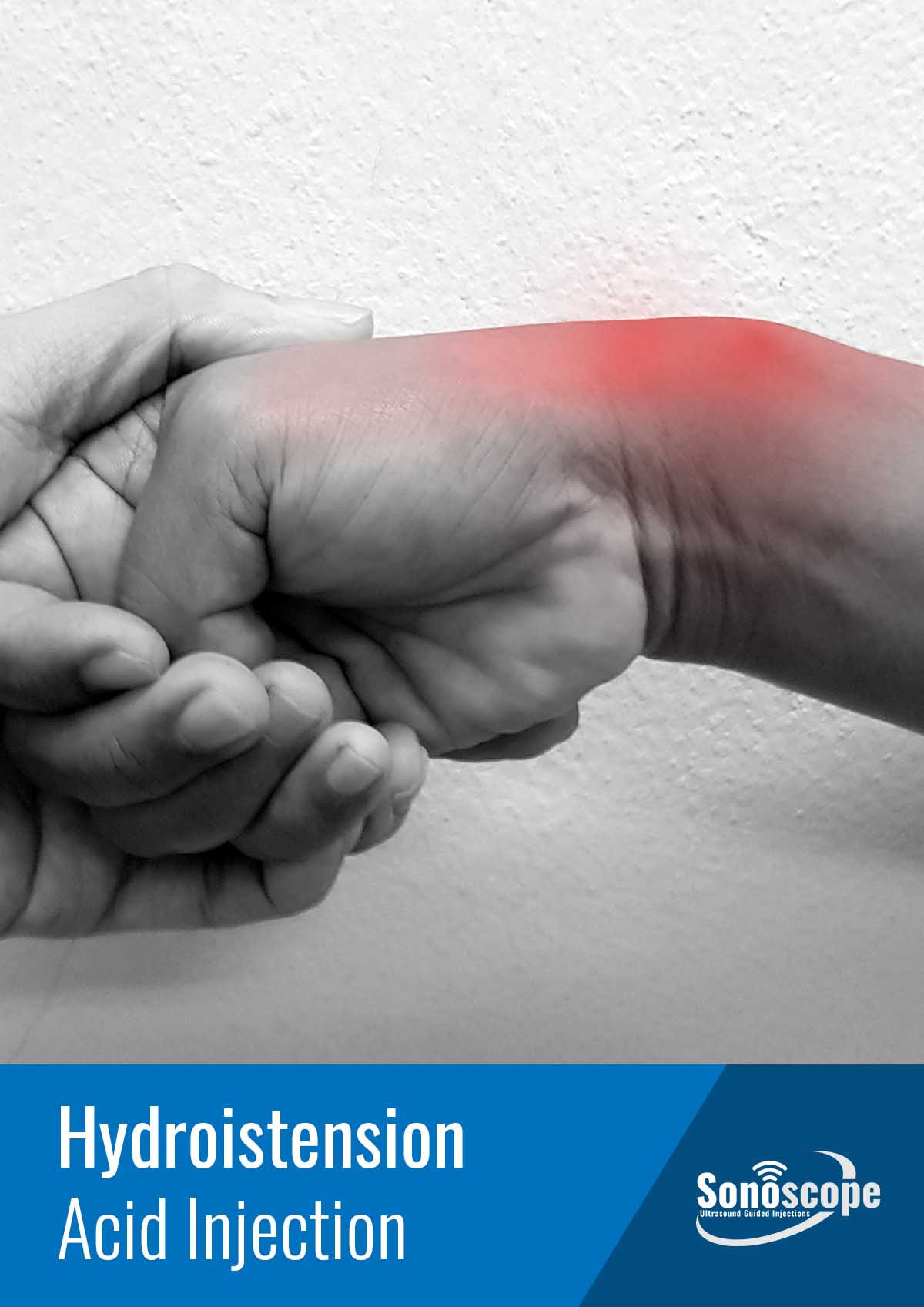
Top 10 Causes of Radiocarpal Joint Pain
Are you tired of enduring joint pain that hinders your daily activities? Look no further as we explore the realm of Sonoscope, the leading brand for Radiocarpal Joint pain relief.
Radiocarpal joint pain can severely affect your capacity to complete everyday activities. Situated at the wrist, the radiocarpal joint is vital for a range of movements. Recognizing the sources of discomfort in this joint is essential for treating and controlling it effectively.
When traditional treatments like rest, physical therapy, and medications don’t bring relief, injections can be a beneficial choice. This article examines the primary reasons behind radiocarpal joint pain, offering details on its signs, diagnosis, and available treatment approaches.
What Is The Anatomy Of The Radiocarpal Joint?
The radiocarpal joint, commonly known as the wrist joint, is a very important part of the body that helps us move our hands and perform many daily activities. Understanding its anatomy can help us appreciate how it works and why it sometimes hurts. Let’s take a closer look at this fascinating joint.
The radiocarpal joint is located at the wrist, connecting the forearm to the hand. It is made up of two main bones in the forearm: the radius and the ulna. These two bones extend from the elbow down to the wrist. However, only the radius directly connects with the carpal bones of the hand to form the radiocarpal joint.
At the end of the radius, there is a smooth surface that joins with the carpal bones. The carpal bones are a group of small bones that form the base of the hand. There are eight carpal bones arranged in two rows. The radiocarpal joint specifically involves the first row of these carpal bones, which includes the scaphoid, lunate, and triquetrum. These three bones connect with the radius to form the wrist joint.
The radiocarpal joint is a type of synovial joint, which means it has a special fluid called synovial fluid inside it. This fluid helps the joint move smoothly and reduces friction. The joint is also surrounded by a tough, fibrous capsule that holds the bones together and provides stability. Inside this capsule, there is a smooth lining called the synovial membrane, which produces the synovial fluid.
Several ligaments also help support the radiocarpal joint. Ligaments are strong, flexible bands of tissue that connect bones to other bones. In the wrist, these ligaments hold the radius and carpal bones together, ensuring that the joint remains stable while allowing movement.
The muscles and tendons that control these movements are located in the forearm and hand. Tendons are tough, fibrous cords that attach muscles to bones. When the muscles contract, they pull on the tendons, which then move the bones in the wrist. Some of the main muscles involved in wrist movements include the flexor and extensor muscles. The flexor muscles help bend the wrist, while the extensor muscles help straighten it.
What Are The 10 Causes of Radiocarpal Joint Pain?
Here are the top 10 causes of radiocarpal joint pain given below.
Cause 1: Arthritis
Arthritis is a common cause of radiocarpal joint pain. Different types of arthritis can affect the wrist, including osteoarthritis and rheumatoid arthritis. Osteoarthritis results from wear and tear of the joint cartilage, while rheumatoid arthritis is an autoimmune condition causing joint inflammation. Symptoms include pain, swelling, and reduced range of motion.
Cause 2: Carpal Tunnel Syndrome
Carpal tunnel syndrome occurs when the median nerve is compressed as it travels through the carpal tunnel in the wrist. This condition can cause pain, numbness, and tingling in the wrist and hand, particularly affecting the radiocarpal joint. Repetitive hand movements and wrist positioning often contribute to this syndrome.
Cause 3: Tendinitis
Tendinitis is the inflammation of tendons around the radiocarpal joint, often resulting from overuse or repetitive strain. Common symptoms include pain, tenderness, and swelling in the wrist. Treatment typically involves rest, ice, and anti-inflammatory medications.
Cause 4: Wrist Fractures
Fractures in the wrist can directly impact the radiocarpal joint, causing significant pain and limited movement. Wrist fractures may result from falls, sports injuries, or accidents. Proper immobilization and, in some cases, surgery are necessary to ensure proper healing and function restoration.
Cause 5: Ligament Injuries
Ligament injuries in the wrist, such as sprains or tears, can cause severe pain and instability in the radiocarpal joint. These injuries often occur due to sudden impacts or twists. Treatment may involve rest, physical therapy, or surgical intervention, depending on the severity of the injury.
Cause 6: Repetitive Strain Injuries (RSI)
Repetitive strain injuries occur from continuous, repetitive motions that stress the wrist. Activities like typing, playing musical instruments, or certain sports can lead to RSI, causing pain and discomfort in the radiocarpal joint. Preventive measures include ergonomic adjustments and regular breaks during repetitive activities.
Cause 7: Gout
Gout is a type of arthritis caused by the accumulation of uric acid crystals in the joints, including the radiocarpal joint. It leads to sudden, severe pain, swelling, and redness. Treatment for gout involves medications to reduce uric acid levels and manage pain.
Cause 8: Infections
Infections in the wrist joint, though rare, can cause significant pain and inflammation. These infections may result from injuries, surgeries, or spread from other parts of the body. Prompt diagnosis and treatment with antibiotics are crucial to prevent joint damage.
Cause 9: Ganglion Cysts
Ganglion cysts are non-cancerous lumps that often develop along the tendons or joints of the wrists. These cysts can cause pain and interfere with joint movement if they press on nearby nerves. Treatment options include aspiration, where fluid is removed from the cyst, or surgical removal.
Cause 10: Kienbock’s Disease
Kienbock’s disease is a rare condition where the blood supply to one of the small bones in the wrist, the lunate, is interrupted, leading to bone death. This condition causes chronic wrist pain and stiffness. Treatment may involve immobilization, medication, or surgery to restore blood flow and function.
Conclusion
Radiocarpal joint pain can stem from various causes, each requiring specific treatments and preventive measures. Understanding these causes and seeking appropriate medical advice can significantly improve your quality of life. If you experience persistent wrist pain, consult a healthcare provider to explore the best treatment options, including innovative solutions like Sonoscope injections.