
Arthrosamid® Treatment for Knee Osteoarthritis

Discover Arthrosamid® - Now Available at Sonoscope
Are you struggling with knee osteoarthritis? There’s a groundbreaking, non-surgical treatment now available in Hertfordshire at Sonoscope that is redefining treatment for patients living with knee pain.
Revolutionary Treatment for Knee Osteoarthritis
Knee osteoarthritis is the most common form of arthritis, affecting millions of people worldwide. While joint replacement surgery is effective, it is also a major invasive procedure with a lengthy recovery period. But now, there’s an alternative.
Introducing Arthrosamid®
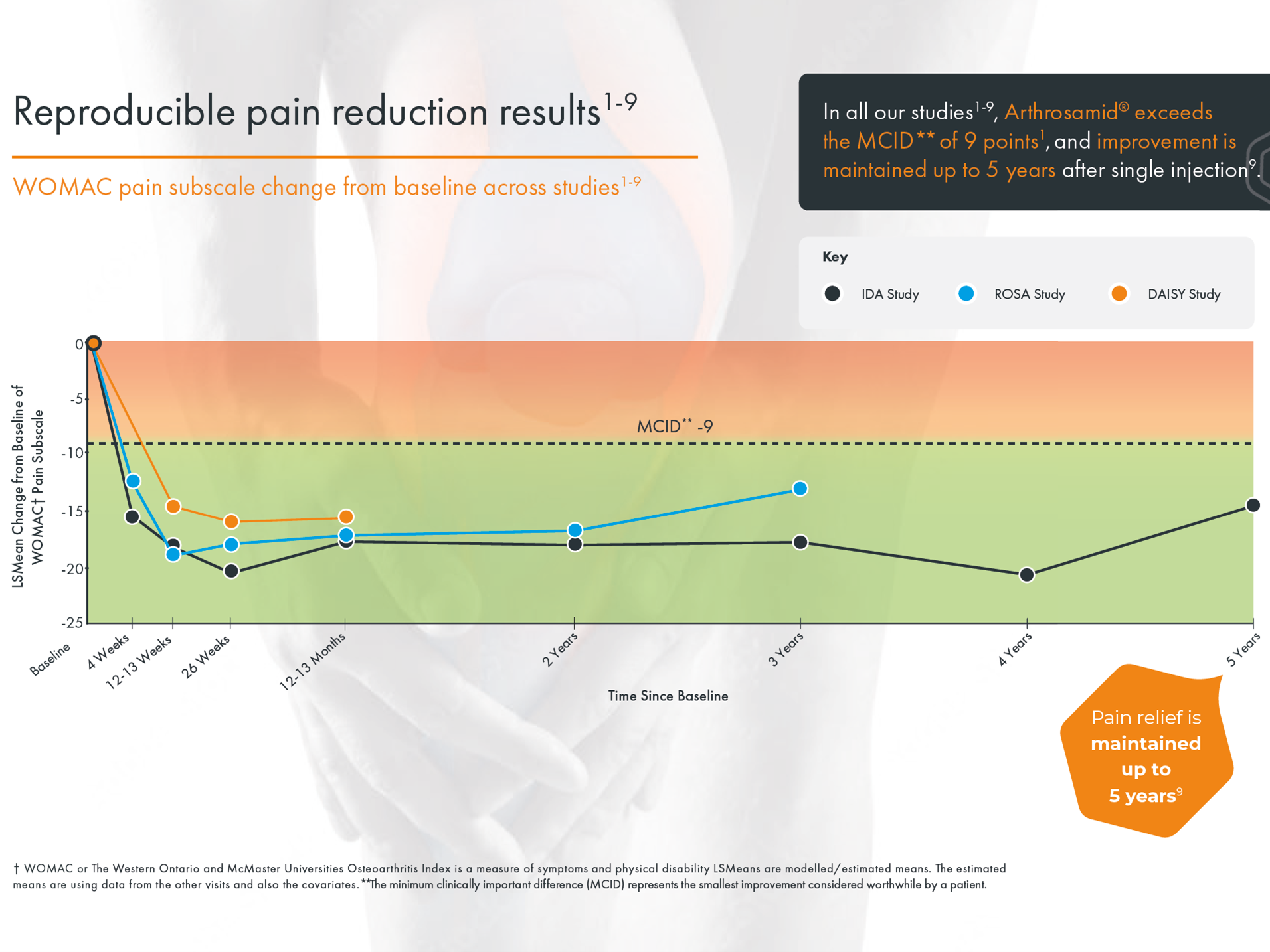
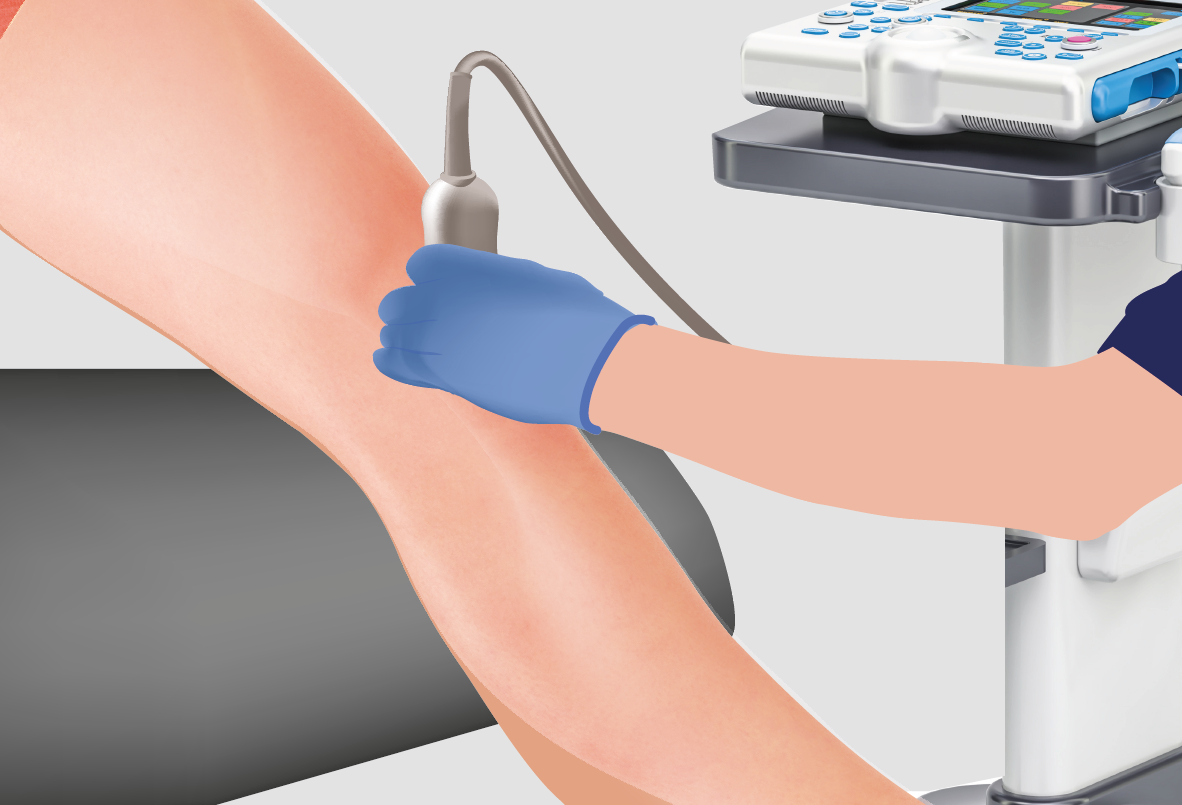
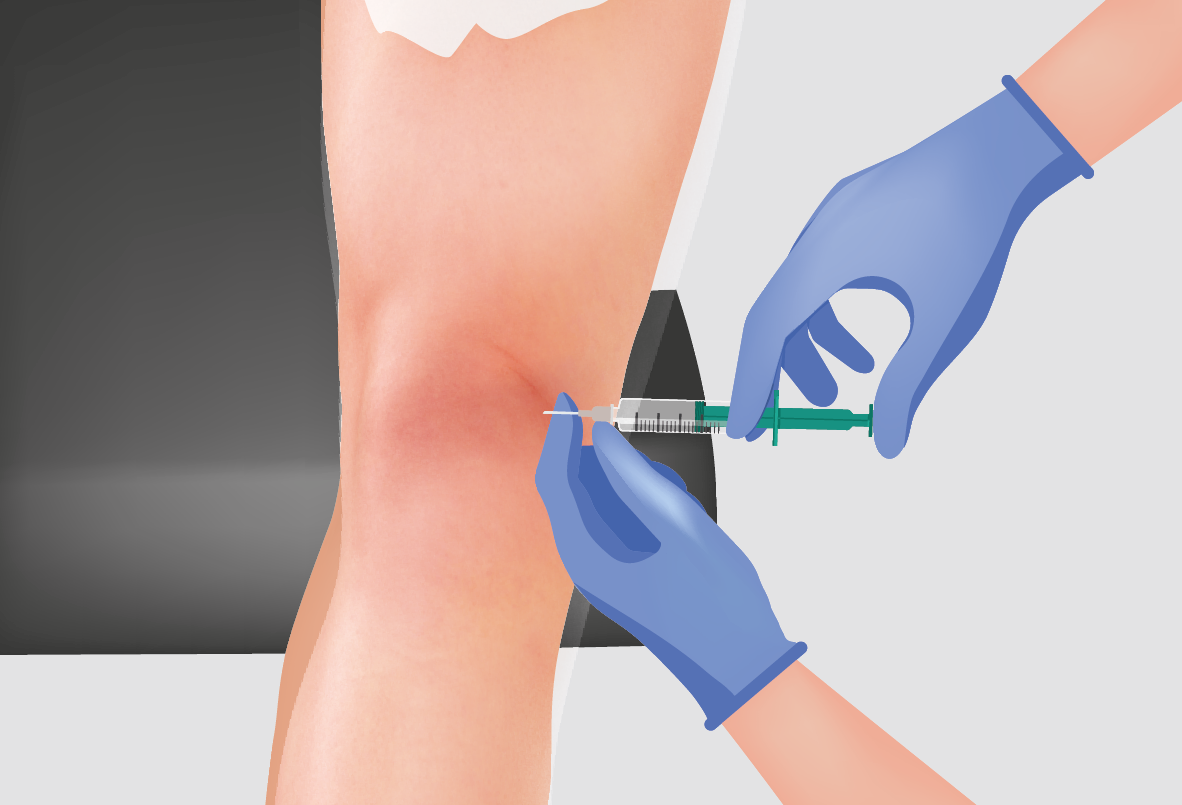
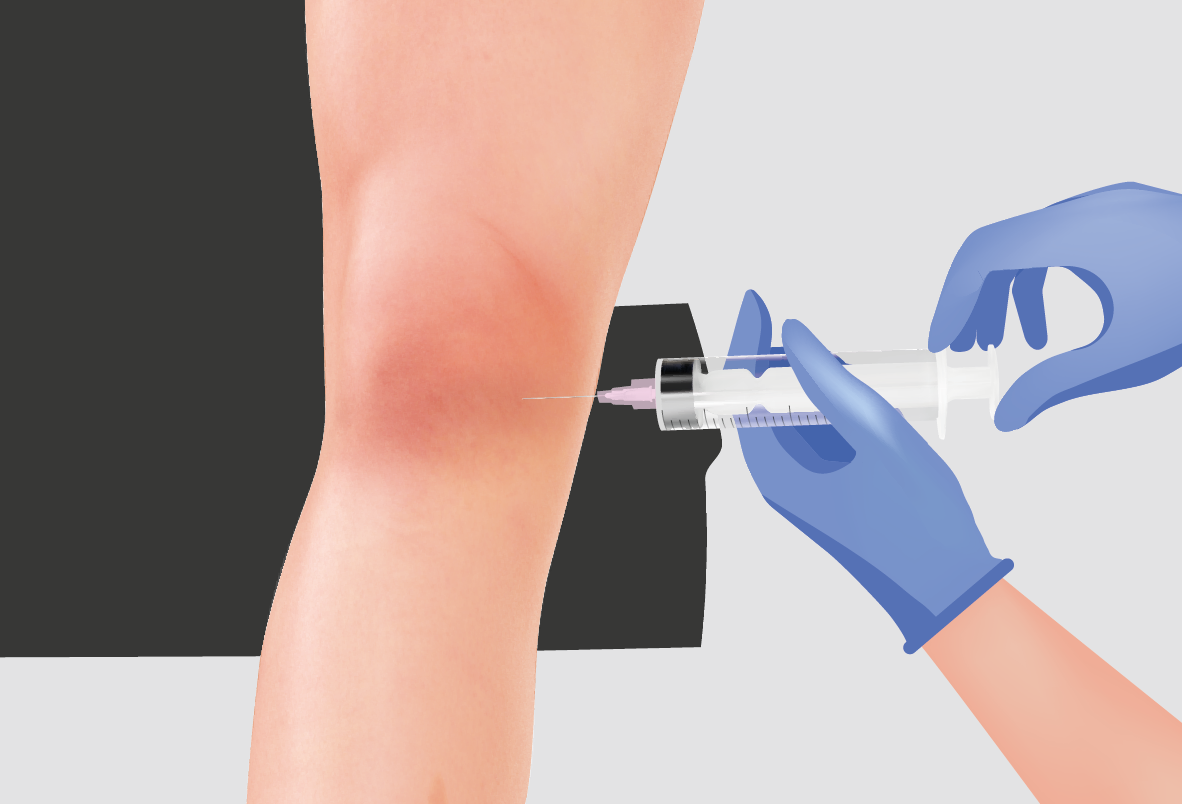
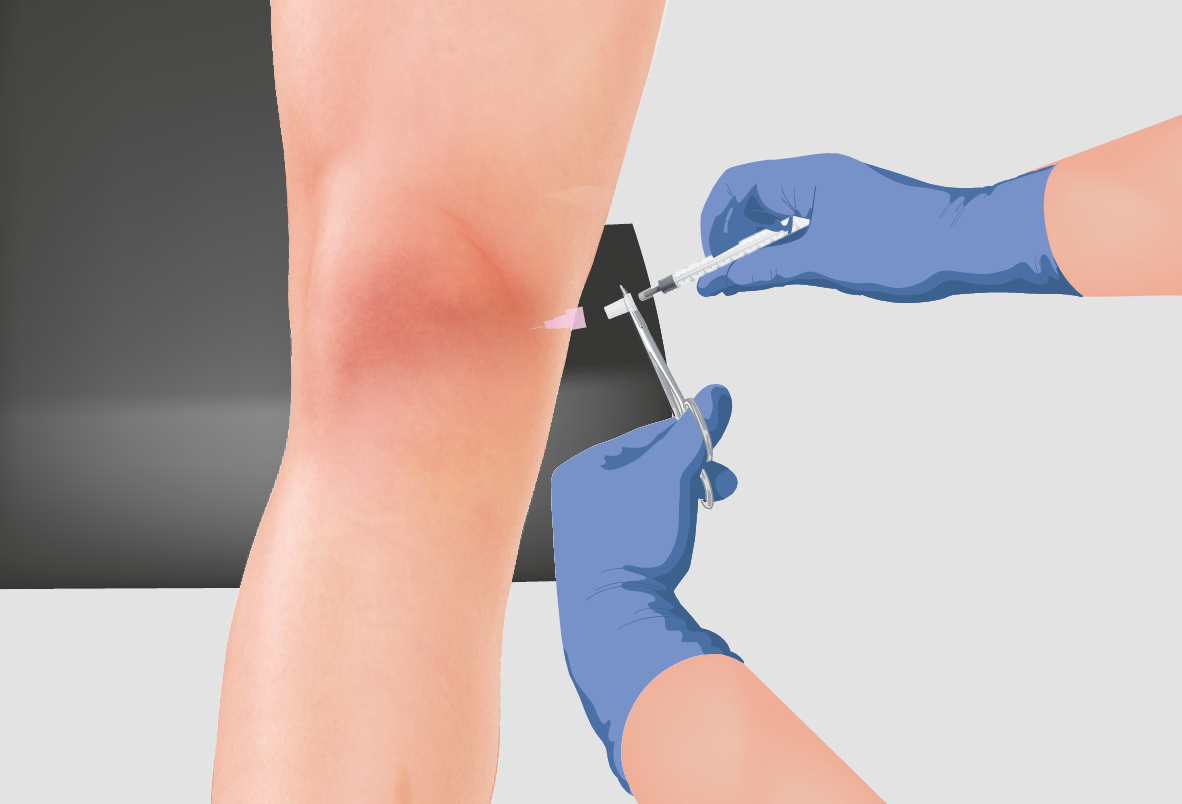
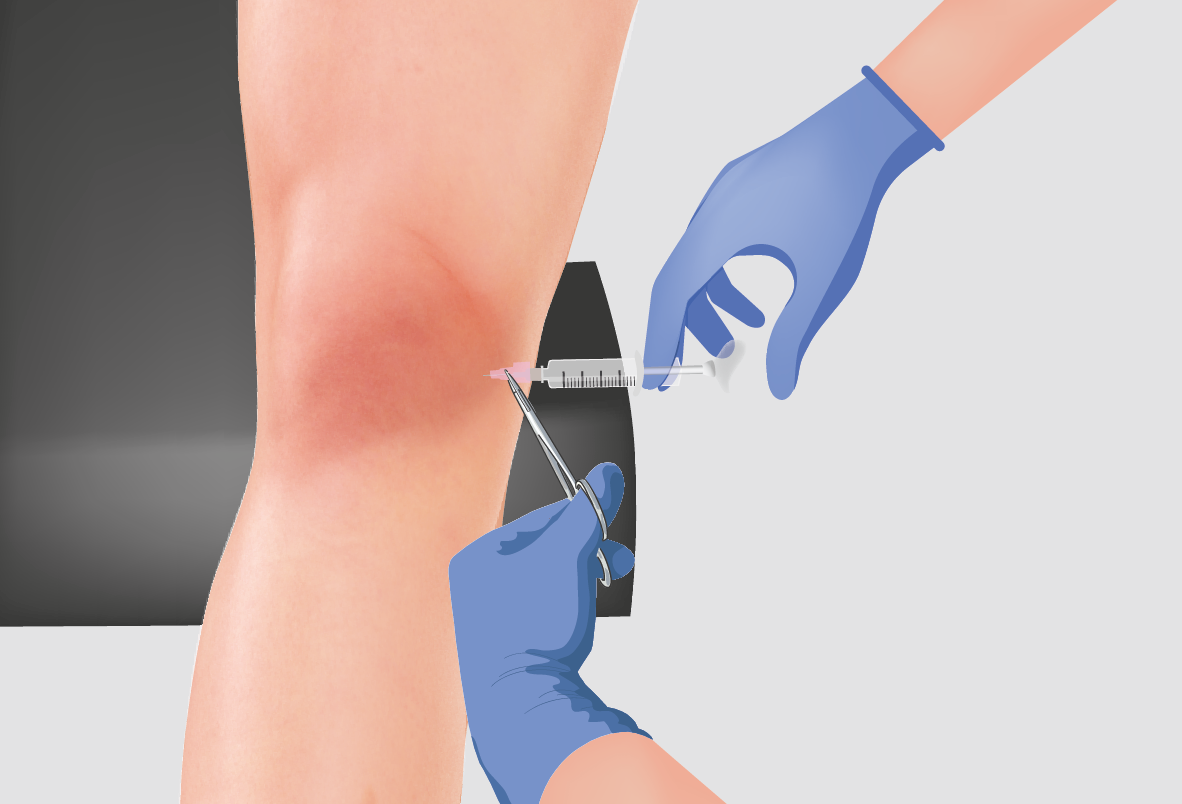
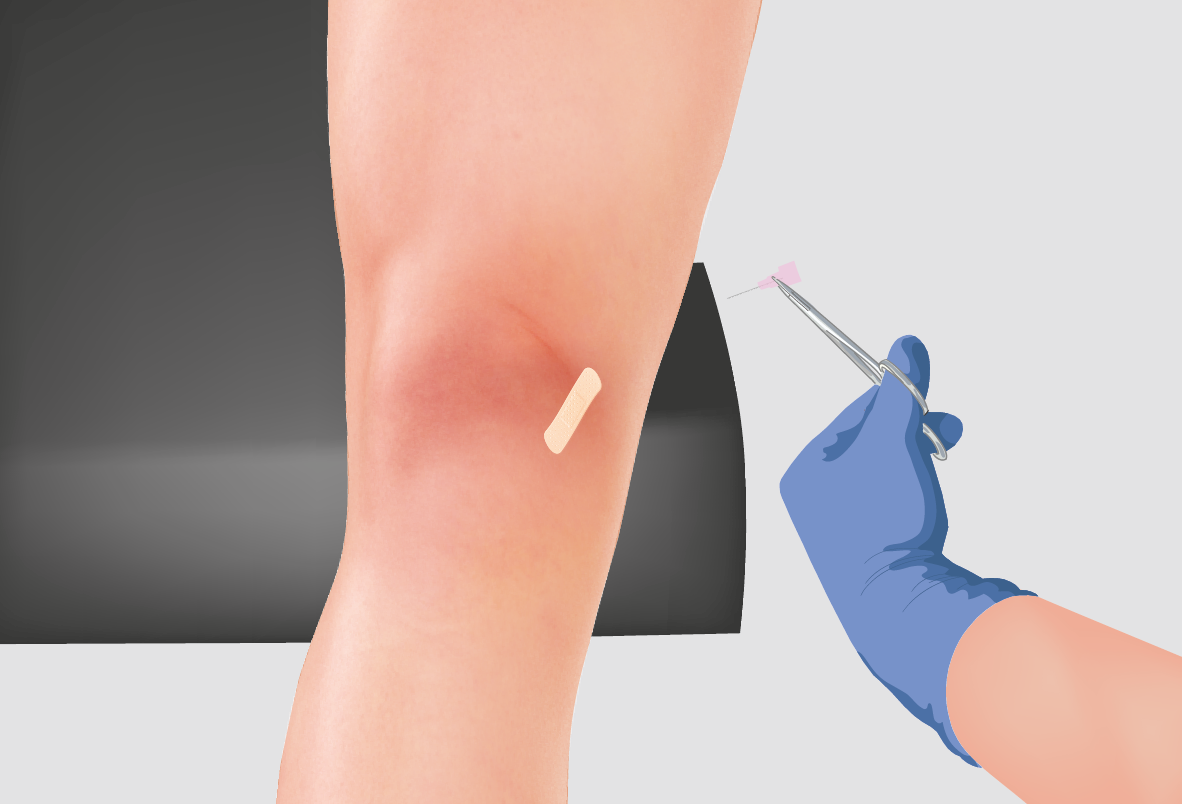
Arthrosamid® is a non-biodegradable injectable polyacrylamide hydrogel (2.5% iPAAG) implant consisting of 2.5% cross-linked polyacrylamide and 97.5% water. It is administered via a simple, one-step procedure performed under local anaesthesia by a qualified physician, such as an orthopaedic surgeon or rheumatologist1 — ensuring you’re in and out of the clinic the same day. Arthrosamid® is proven to maintain a significant, long-lasting reduction in knee OA pain2,3— even five years post-treatment.2
Arthrosamid Treatment







How does Arthrosamid® work?
Arthrosamid® is the first and only permanent injectable implant that integrates with the knee’s synovial tissue,4 forming a scaffold that softens and increases tissue elasticity. This leads to decreased joint stiffness, reduced pain, and improved knee function.5,6,7
Proven Results
- Over 20 years of research and development.9
- Safe and effective6,8 for its intended use, even five years post-treatment.2
- Around 1,200,000 syringes of 2.5% iPAAG have been made for human use.9
Speak to our specialist
Let's find the source of the pain
What the expert(s) say?
For more information on the treatment please visit arthrosamid.com.
To book an appointment for Rob call 07999923844 or email info@sonoscope.co.uk.
Medications:
Some people can be experiencing high levels of pain making it difficult for them to function and to sleep without waking at night. Nonsteroidal anti-inflammatory drugs such as naproxen, ibuprofen and many others, can be helpful to reduce high levels of pain. Unfortunately these drugs can cause side effects and are not suitable for some people with certain pre-existing medical conditions. Please speak to your GP to discuss.
Book Your Consultation in Hertfordshire
Downloadable Resources on Arthrosamid
Download the Patient Brochure for more information
Download the Patient Leaflet for more information
Download our Rehab Programme Booklet
References:
- Arthrosamid®, Instructions For Use. Release Date March 2022. 10082-003.
- Bliddal, H., et al. (2025) A Prospective Study of Polyacrylamide Hydrogel Injection for Knee Osteoarthritis: Results From 5 Years After Treatment. Presented at WCO-IOF-ESCEO 2025.
- Bliddal, H., et al. (2024) 3 year follow-up from a randomized controlled trial of intra-articular polyacrylamide hydrogel injection in subjects with knee osteoarthritis. Osteoarthritis and Cartilage. Vol 32 (6): 770-771.
- Christensen, L., et al. (2016). Histological Appearance of the Synovial Membrane after Treatment of Knee Osteoarthritis with Polyacrylamide Gel Injections: A Case Report. Journal of Arthritis. Vol 5: 217.
- Bliddal, H., et al. (2021) Polyacrylamide Hydrogel Injection for Knee Osteoarthritis: A 6 Months Prospective Study. J Orthop Res Ther. Vol 6 (2). 1188. ISSN 2575-8241.
- Bliddal, H., et al. (2024). Polyacrylamide gel versus hyaluronic acid for the treatment of knee osteoarthritis: a randomised controlled study. Clin Exp Rheumatol. Vol 42(9):1729-1735.
- Henriksen, M., et al. (2018). Intra-articular 2.5% polyacrylamide hydrogel for the treatment of knee osteoarthritis: an observational proof-of-concept cohort study. Clin Exp Rheumatol. Vol 36(6):1082-85. Epub 2018 Jul 18. PMID: 30148430.
- Bliddal, H., et al. (2024). Effectiveness and safety of polyacrylamide hydrogel injection for knee osteoarthritis: results from a 12-month follow up of an open-label study. J Orthop Surg Res. Vol 19: 274.
- Data on file.

Meet Rob - Our Specialist Physiotherapist/ Sonographer
Rob is a specialist Extended Scope Physiotherapist with more than 20 years experience in managing complex musculoskeletal conditions.
He uses diagnostic ultrasound as an extension of his clinical skills. He is an interventional sonographer in a busy radiology department of a central London Foundation Trust Hospital .
Also make sure you check out our Facebook and Youtube channels to keep up to speed with our latest news