
Achilles tendinitis
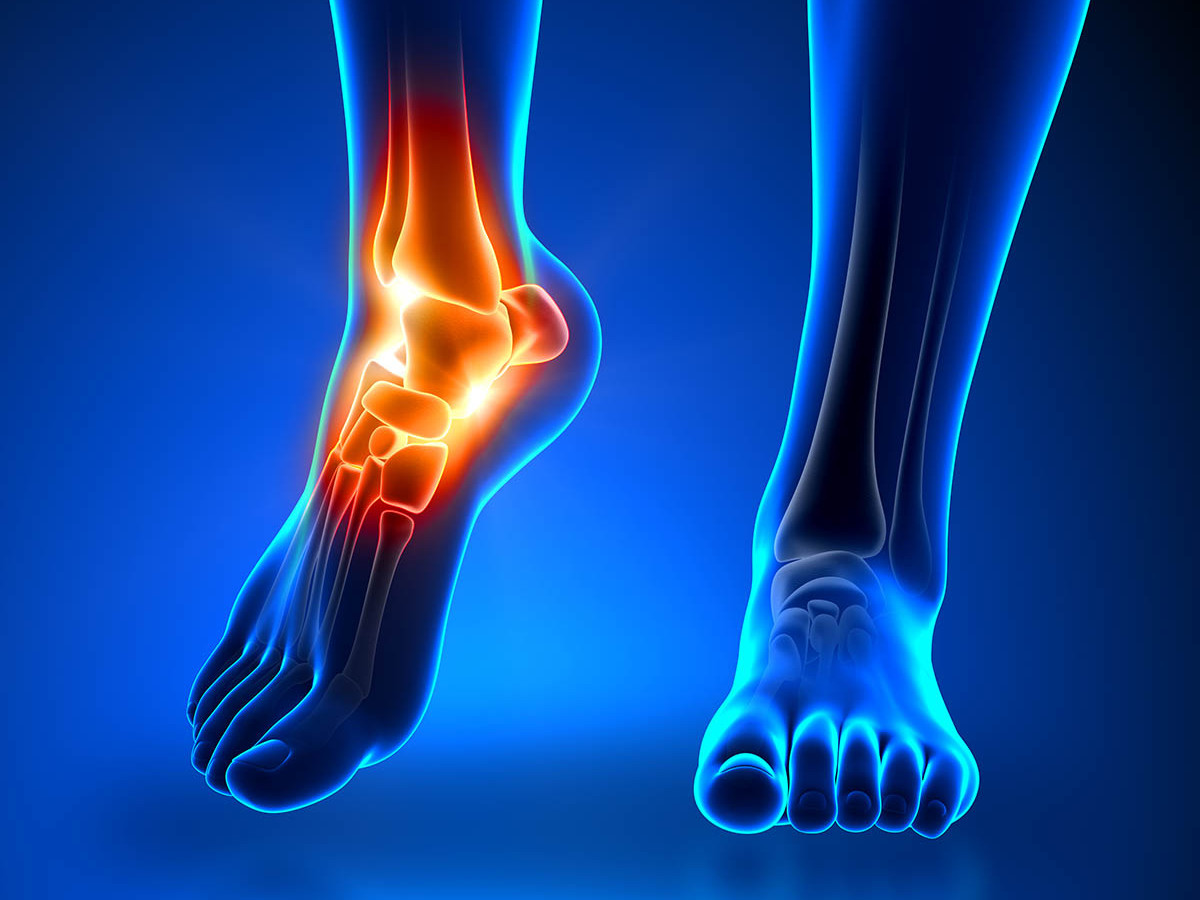
What is Achilles tendinitis? (Achilles tendinopathy)
Achilles’ tendinitis is a common musculoskeletal condition that usually affects one of two different areas of the Achilles tendon. The most common site is the middle portion of the Achilles tendon. The other area is the insertion of the Achilles tendon, which is where the tendon inserts into the bone. It is often seen in runners, and more so still in middle-aged runners.
Typical symptoms of Achilles tendinopathy are: Significant tenderness when touching the Achilles tendon, noticeable swelling of the Achilles tendon, pain and stiffness of the Achilles tendon particularly after periods of rest, aggravation of symptoms with activity such as walking or running.
How can ultrasound evaluate achilles tendinitis? (Achilles tendinopathy)
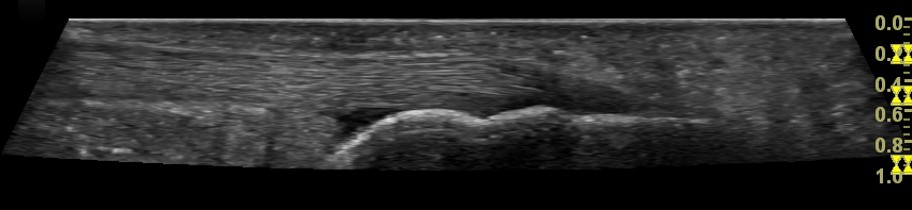
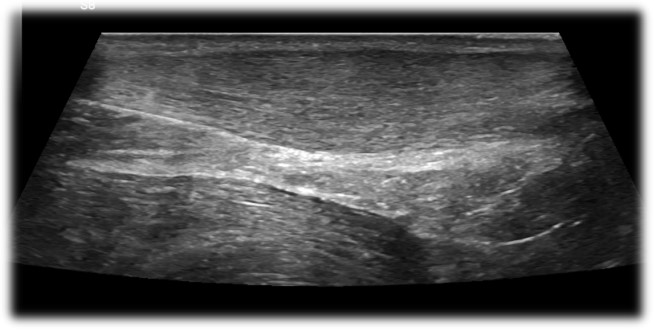
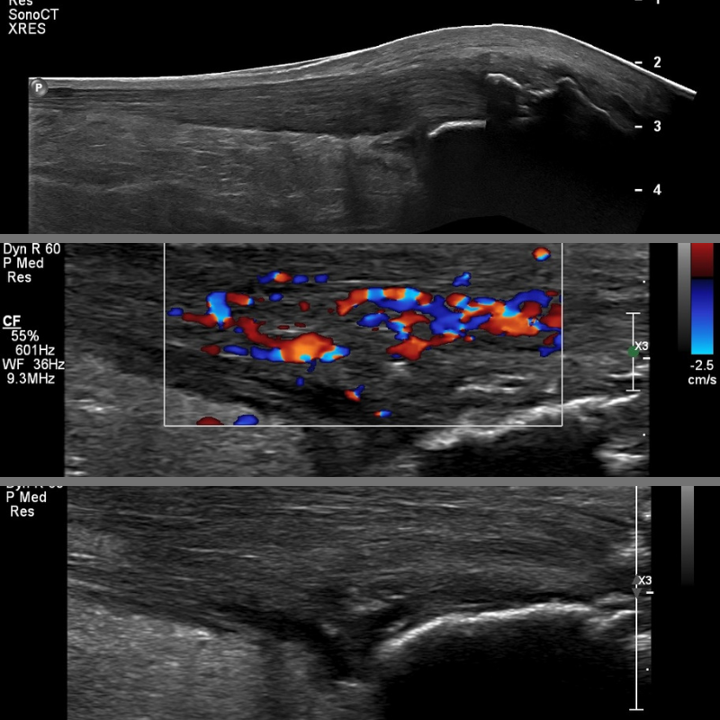
Ultrasound can very clearly show the difference between a normal Achilles tendon (Right top) and one that has tendinopathy (Right Middle) as the tendinopathic tendon is often significantly thicker than a normal Achilles tendon.
In addition to that a tendinopathic tendon tends to be hypoechoic. What that means is that the tendon is less bright on ultrasound. If the tendon has more fluid in it i.e. is more swollen than automatically it appears darker on ultrasound.
Ultrasound can use power Doppler which shows blood flow. A normal Achilles tendon has no obvious blood flow is seen. In tendinopathic Achilles tendon is oftentimes there is marked vascularity (right bottom) seen which again can be helpful for diagnosis. Because ultrasound is dynamic it can also demonstrate any potential serious structural defects in the tendon.
The Achilles tendon might demonstrate thickening or inflammation or irritation of the peritenon please see video below which demonstrates acute para tendinitis.
What causes Achilles tendinitis? (tendinopathy)
Often a sudden increase in training volume is a factor in Achilles tendonitis. Of course, other factors might play a role, including abnormal biomechanics. Also, deconditioned muscles and in particular calf muscles, can put people at risk of developing Achilles tendinitis (tendinopathy).
A diagnostic ultrasound scan and MRI scan are both used to diagnose Achilles tendonitis. Ultrasound is particularly useful as the Achilles tendon is easy life scanned in the clinic, and the images obtained are of a very high resolution, which makes it an ideal imaging modality to help diagnose Achilles tendinitis. Imaging allows us to differentiate between Achilles tendonitis (tendinopathy) and Para tendinitis (tendinopathy) or -partial or complete -tendon tearing. This is very important as these conditions require a different treatment regime.
Patients’ (medical) history is also essential as certain conditions such as diabetes, abnormal foot biomechanics/gait pattern, (quinolone) antibiotics and moderate alcohol intake, as well as training during cold weather, are all risk factors.
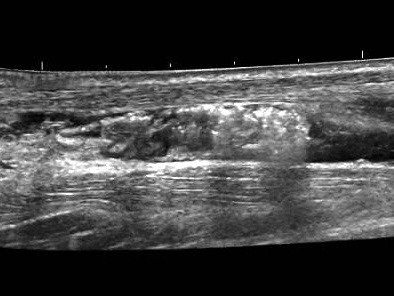
achilles tendon after high volume stripping
How to treat Achilles tendinitis (tendinopathy)?
Most Achilles tendon problems can be managed with an exercise program. This includes strength exercises which include loading the Achilles tendon, often using heavy resistance which includes full body weight. The Sonoscope ultrasound guided injections clinic is based in a physiotherapy setting and has excellent links with excellent physiotherapists who have access to shock wave therapy and have top quality rehab skills.
In addition to exercises and /or in stubborn cases other options can be helpful such as shockwave therapy and GTN patches which can help with tendon healing.
Another option is ultrasound guided injections for Achilles tendinopathy. In the Sonoscope clinic, we perform ultrasound guided hydrodistension injections, which inject a large volume of saline (salty water) water into the interface between the Achilles tendon and the fat pad that lies in front of the Achilles tendon. This “stripping “procedure disrupts the increased activity of blood vessels in the painful tendon, which reduces pain by disrupting this unhelpful increased blood circulation which leads to increased levels of pain. Although more recent studies have not found evidence for this mechanical effect of reducing neovascularity.
The evidence supports this procedure, although more recent studies have indicated that steroids (which are usually added with the saline) rather than the mechanical effect of stripping the tendon results in the benefits described in previous studies.
How to prevent Achilles tendinitis? (tendinopathy)
Most patients recover, but there is a chance that symptoms may persist in the long term (at least up to 10 years, with 23-37% having persistent symptoms). There is insufficient knowledge about the effectiveness of prevention strategies aimed at recurrent Achilles tendinopathy. Most athletes with Achilles tendinopathy return to sports (85%), but this might include people who are still symptomatic.
Bibliography:
de Vos R, van der Vlist AC, Zwerver J, et al Dutch multidisciplinary guideline on Achilles tendinopathy British Journal of Sports Medicine 2021;55:1125-1134.
Kakkos, G.A., Klontzas, M.E., Koltsakis, E. and Karantanas, A.H., 2021. US-guided high-volume injection for Achilles tendinopathy. Journal of Ultrasonography, 21(85), p.e127.
van Oosten, C.C., van der Vlist, A.C., van Veldhoven, P.L., van Oosterom, R.F., Verhaar, J.A. and de Vos, R.J., 2022. Do High-Volume Injections Affect the Ultrasonographic Neovascularization in Chronic Achilles Tendinopathy? A Randomized Placebo-Controlled Clinical Trial. Clinical Journal of Sport Medicine.
Speak to our injection specialist
Let's find the source and Treat Your Pain